

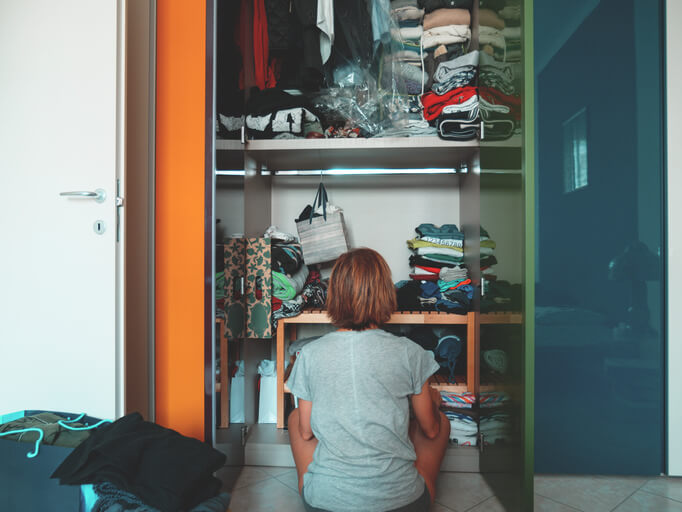

Even the cleanest homes hide a few dirty little secrets. And no, we’re not talking about that mystery cord in the junk drawer.
Some everyday household items quietly collect germs, wear out, or stop doing their job—putting your health (and your home) at risk. The fix? Knowing what to replace and when.
Let’s start with the gross stuff. Fair warning.
Kitchen Nightmares (The Microbial Kind)
Think your toilet seat is the germiest spot in your house? Think again.
Researchers have found that kitchen sponges can contain billions of bacteria per square inch, including strains linked to foodborne illness. That makes your sponge less “cleaning tool” and more “science experiment.”
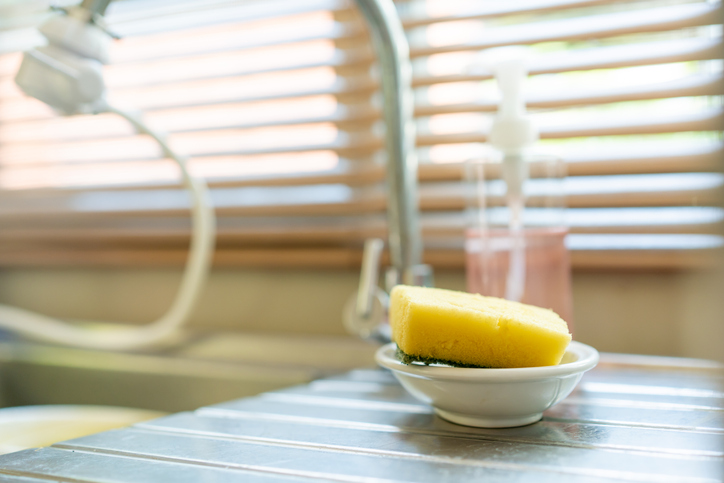
Swap these sooner than later:
- Sponges: Replace every 2–4 weeks. Microwaving helps, but it doesn’t make them immortal.
- Cutting boards: Deep grooves = bacteria hideouts. Plastic boards, which are easier to scratch, can be especially hard to fully disinfect for this reason.
- Food containers: If plastic is warped, cloudy, or scratched, it’s time to say goodbye. Glass is the safer long‑term MVP.
- Water filters: Pitcher and fridge filters should be replaced every 2–6 months to avoid turning “filtered” water into “questionable” water.
Bottom line: If it touches your food, it deserves a refresh.
Bathroom Basics (That Are Secretly Gross)
You clean your toilet weekly—great! But some bathroom items don’t get nearly as much attention… and it shows.
For example, your toothbrush can harbor hundreds of thousands of bacteria if it’s past its prime.
Freshen these up regularly:
- Toothbrushes: Replace every 3 months (or sooner if bristles splay).
- Bath poufs and loofahs: Moist + mesh = bacteria paradise. Replace every 1–2 months.
- Towels: Wash weekly and replace when they lose absorbency. Studies show many towels carry coliform bacteria and even E. coli.
- Makeup and mascara: Mascara should be replaced every 3 months to avoid eye infections.
If it lives in a warm, damp place, bacteria will RSVP.
Bedroom Blues (AKA Why Your Pillow Needs a Break)
Ideally, you spend a lot of time enjoying a restful sleep. This also means your bedding gets a lot of face time.
Over time, pillows collect oils, skin cells, and dust mites—enough that researchers estimate up to 10% of a pillow’s weight can come from mites and their debris after a few years.
Sleep smarter by replacing:
- Pillows: Every 1–2 years (memory foam can last a bit longer).
- Mattresses: Every 7–10 years, especially if you wake up sore or restless.
- Sheets: Wash weekly; replace only when worn.
Your spine and sinuses will thank you.

Around the House: Safety First, Dust Last
Some household items don’t just affect comfort, they protect your safety.
Don’t skip these swaps:
- Smoke detectors: Replace units every 10 years and batteries annually.
- Air filters: Change every 30–90 days to keep indoor air cleaner, especially if you have pets or allergies.
- Fire extinguishers: Most need replacing every 5–15 years, depending on type.
These aren’t glamorous upgrades, but they can be lifesavers.
The Takeaway: Replace Smarter, Stress Less
You don’t need to replace everything at once. Start with the items that touch your food, your body, and your air.
Tip: Investing in higher‑quality, durable products often means replacing them less often, which is better for your health, your wallet and the planet.
Because a clean home isn’t just about looking good. It’s about living well, without billions of uninvited guests.


This is an excellent article. There are many things I don’t know about houses in the USA. You opened my eyes to a lot. I need to get dryer duct and filter checked asap. Thank you very much. I will share this email with members of my household and others. All the very best to you and keep up the good work.
Hardly ANY of the things mentioned is realistic. Replacing carpet, home furnishings, mattresses. pillows and plastic cutting boards are wasteful, expensive and all can be STERILIZED yourself! Cutting boards can be soaked in 3% chlorine bleach and they’ll be sterile. Chlorine bleach will also disinfect your toilet brush and your toilet if you pour 3-4 ounces of concentrated bleach into the toilet bowl before scrubbing it. I sleep on a 140 year-old feather mattress that was my Great-grandmother’s. I took it 38 years ago and had it sterilized with steam and 170*F heat and I put it into a water-proof mattress protector. Pillows can be sterilized by putting in a clothes dryer in “HIGH” for an hour. Not MY recommendation, that’s what HOSPITALS do. Sofa’s and upholstered furniture can be steam-cleaned by a professional or DIY by renting a steam cleaner, but it’s VERY HARD WORK to do it properly, and the chemicals you need cost as much as a professional. But whatta I know, having worked 40+ years as an industrial janitor and STILL doing it three days weekly although I’m 70 and “retired”??? I also HAD to learn the National Sanitation Foundation guidelines and pass a four-hour written test for commercial kitchens and industrial/office cleaning to be certified.
Thanks
There are several categories in which you imply that old, used, should-be-tossed articles, like shoes, for instance, can be used by people in need, meaning they are still useful. I get the impression that your advice is for us Americans who are still being programmed to be consumers. We need to rethink this as it is one of the factors contributing to Climate Change. Our so-called “high” standard of living cannot be maintained. It’s time to sacrifice for survival.
Too many people are not aware that shampoos that grow your hair faster and longer (of course without any sulfates, parabens or DEA) are even a thing. Folks can now enjoy longer hair and achieve more options. Undoubtedly worth looking into it.
If you’re looking into alopecia, hair damage, avoiding scalp disorders, fast hair growth, hair and scalp health more often than not, almost the same principles come to mind.
As a general rule, you want to stay away from hair treatments and products that use chemicals like parabens, DEA or sulfates.
What’s good for your hair is good for your skin all the same.
Clearly the content above is so accurate for various reasons. It steers away from the accustomed errors and mistakes most fall into: buying ineffective alternatives. Thank you so much!
Tried several times to get a quote on Homeowners Insurance to no avail
William – Please call The Hartford’s auto customer service at 800.423.6789 and they will be able to assist you further. Thank you.
Some useful tips but I can’t agree with some. Say for sofas and office chairs, invest in good strong frames and refurbish instead of getting rid. On your advice the average person would burn though between 12-20 by replacing a sofa every 3 to 5 years. That’s a heavy burden on landfill. It would be better to reupholster or recover if regular cleaning has failed.
It also seems pointless to say to get rid of an office chair that’s seen some wear and tear and is no longer good for your posture by donating to charity.
YOUR USEFUL DO AWAY WITH ITEMS THRU OUT THE HOME IS VERY MUCH APPRECIATED
SOME I WAS AWARE OTHERS NO, THANK YOU
I also agree, you need not throw away many of the items mentioned in the article. Cleaning with bleach, or vinegar hot water and mostly weekly helps to prolong usage.
I replace my toothbrush monthly, and clean toilet brush after each use with bleach or ammonia.
Sponges are replaced weekly.
However I will no longer use non stick pans, thanks for the heads up.
Interesting information. Makes a person stop & think.
AS an ‘old school’ homemaker, I agree with some of the points, and do most certainly agree this is an ‘expiration’ date world on mostly everything we purchase, including our automobiles, how else can they become rich, duh…I use glass containers, iron frying units when needed. {I don’t eat fried foods or red meat} Point to ponder, I use paper towels [dollar tree Bounty brand] and dishcloths only for some wipe ups, never after raw food cleanup. We honestly can’t get away from germs, in our homes, from others, or who visit our homes with those pot lucks, but we can be more conscientious and vigilant in cleanliness habits…..being a cancer survivor, with an immune deficiency..I employ a lot the bacteria killing methods…== have one but don’t use dishwasher, == have one but don’t use garbage insinkerator – stopped one time and that was enough for me… the two rooms I love the most are definitely well “germ-free” microscopically taken care – of the kitchen and the bathroom, no apron needed.:-),
Your suggestions of how to get “rid of“ certain items by donating them is shocking. So things that aren’t good enough for us are good enough for the people who would buy them at a thrift store?
I am the fourth of eight. Many of the clothes I wore as a child were second hand that were given to my mother by friends or neighbors. Any that were too big for me my older brothers received. Some of these would eventually be passed to me when my brothers outgrew them. There were times when I would put cardboard in my sneakers because the soles had worn through. A beat-up old pair with some life left in them were gladly accepted.
So, yes, things that aren’t of use to us are good enough for people who can use them.
We live in a throwaway society. Our descendants weep along with the frugal Indians who cared about mother planet earth 🌎
I completely disagree with the time frames for many of the items listed above. Many of the items can last substantially longer as long as they are kept clean. Unfortunately, this is the deposable generation and they waste so many products by improper cleaning and add waste to the landfill. For example:
1. I have had the same plastic cutting boards since I have been married (for 36 years). As long as you scrub them with bleach with a brush after every use and follow up with sanitizing them the dishwasher they will last forever.
2. Same plastic containers for over 20 years – just wash to sanitize in dishwasher.
3. Keep the same refrigerator until it dies (mine is now 25 years old), Just wash it out every six months.
4. Keep the same dishwasher until it dies (mine is now 20 years old) Just add vinegar to every wash load to keep it clean and keep mineral build up down.
5. Agree. Change your sponge every two weeks. Santitize every day with vinegar and heat in the microwave for two minutes.
6. Spices – use until expiration date then just add more than normal until used up.
7. Pillows. Use hypoallergenic plastic pillow protectors over pillows then use pillow tics over them them and then put pillow cases over them. No dust mites or oils will get to the pillow. Wash pillow cases weekly and pillow tics every six months. I have had the same pillows for over 20 years and they look brand new. You just need to know how to protect them and keep them clean. Also wash sheets every week and use until they wear out. Also have had the same mattress for 36 years. Cover with hypoallergenic plastic mattress cover and rotate monthly. If it starts to sag a little, just put plywood underneath. Perfect.
8. Agree. Never use nonstick pans. Never. Toxic.
9. Water bottles. As long as you disinfect them in the dishwasher use them indefinitely.
9. Change your toothbrush once a month because exposure to your saliva causes bacteria growth. Common sense.
10. As long as you clean your makeup brushes every six months, you will never have to replace them. Same with hairbrushes. Mine are over 40 years old. I have very healthy, youthful skin and healthy hair. Enough said.
11. Same bras for 10 years. Wash them by hand and line dry. Have to admit that they should be replaced now.
12. Same washer and dryer for 25 years. Use them til they die.
13, Replace towels every two years? I have had the same towels for over 25 years. They are just starting to show some wear. Just wash once a week.
14. Just replace carpets and couches when they wear out, but shampoo yearly. Buy good quality frames and fabric – have had mine for over 25 years and they still have not worn out. I’ve raised two kids using them.
Bottom line: Don’t replace things just because someone says it’s time to. Take care of your possessions and keep them clean and you will not be wasteful. You will save a lot of money and be a good steward. Do your part to decrease the landfill for the next generation – your children and grandchildren. Teach them well so they will be good stewards, too. I think the recommendations above are arbitrary and wasteful.
Long lists of expensive replacements add so much anxiety to an already overly anxious world. I believe we should calm done about constantly buying stuff when a lot of things are good enough and don’t need to end up in landfills. Nothing ever truly goes away.
I agree with Jack Speer (above). We must no longer produce products made to be discarded. Trashing something does not make it disappear.
SO Glad that I read this great article all the way to the end !!!
It is eye opening, Extremely helpful and Very Informative!
So glad you liked it and found it helpful, Diane!
Thank you for this helpful information. I have made several notes which definitely apply to my house.
I have never heard of anyone not replacing tires before 5 yrs let alone 10 !!! By that time dry rot would b terrible.