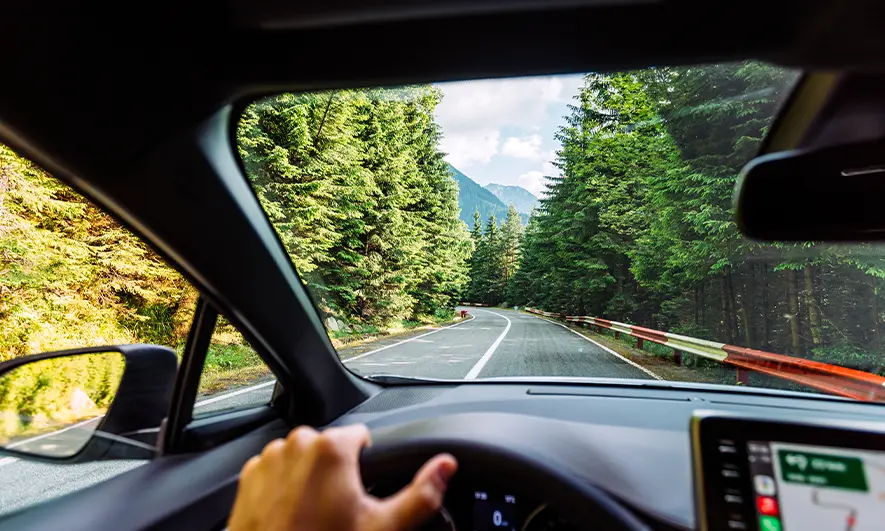


Your car’s glass does a lot more than provide a clear view of the road. It also protects you from wind, weather, debris, glare and unexpected hazards that can show up when you least expect them. Keeping your windshield, side windows and car mirror surfaces clean and damage‑free is one of the simplest ways to protect yourself (and your wallet).
Thinking about windshield repair, considering tinted car windows or wondering how much does it cost to replace a windshield? This guide will help you understand which tasks you can do yourself and when to call in the pros.
Key Takeaways
- A clean, intact windshield and properly maintained mirrors and windows are essential for visibility and crash prevention.
- Address chips quickly and assess whether it makes the most sense to file a claim or handle the repair on your own.
- If you’re thinking about window protectants, be sure to check your warranty or insurance.
- Window tinting offers benefits but comes with legal and safety considerations, so always review your state’s rules.
How Common Is Windshield Damage?
According to recent data, windshields are the #1 auto insurance claim in the U.S. For every 1 million vehicles, there are 300,000+ chips each year. This makes chips the single most common type of windshield damage
A spotless, intact windshield isn’t just a cosmetic perk – it’s an essential part of your car’s safety structure. In most vehicles, the windshield helps support the roof, assists with airbag deployment and shields you from road debris. Clean side windows and properly adjusted mirrors provide the visibility needed to drive confidently and react quickly.
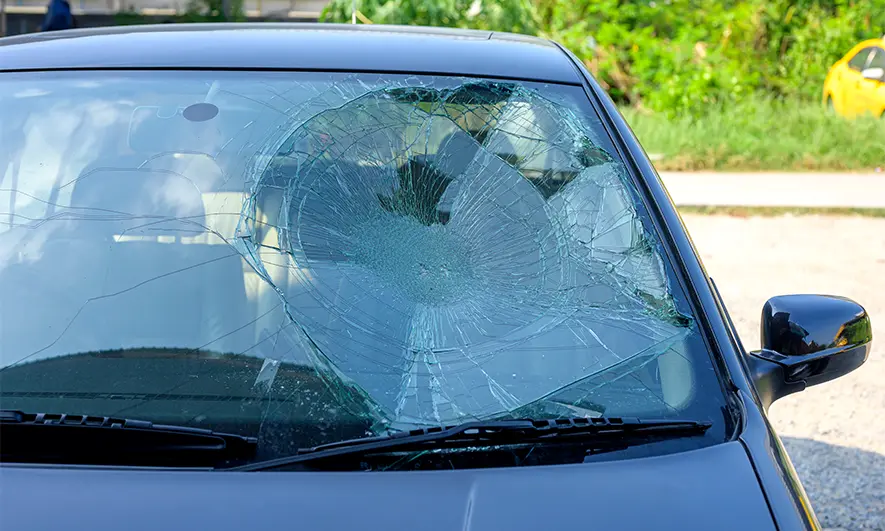
Smudges and micro‑scratches can distort light. Chips can spread. A slight crack can compromise the glass strength. And suddenly, what seemed like a small annoyance becomes a safety issue.
Types of Windshields and Glass Protectants
Before exploring how to prevent or remedy damage, it helps to understand the different types of windshields and the options available to keep them safer for longer.
Windshield Types
Most modern vehicles use one of the following:
- Laminated glass (most common for windshields): Two sheets of glass bonded to a plastic layer. It cracks but doesn’t shatter, which is ideal for safety.
- Tempered glass (common for side/rear windows): Designed to break into blunt pieces instead of sharp shards.
- Acoustic or solar windshields: Help reduce noise or block UV/infrared heat.
If your vehicle has special sensors (lane keeping, emergency braking, rain sensors, etc.), replacement costs can be higher, because recalibration is often required.
Glass Protectants
Some cars come standard with protectants. If yours doesn’t or is an older vehicle, you can purchase your own.
- Hydrophobic coatings that repel rain and improve clarity.
- Ceramic or polymer layers that help prevent scratches.
- Film protectants designed to reduce chips or keep shattered glass in place.
Important: Some aftermarket coatings can void warranties or interfere with insurance-covered repairs. Always check your policy and vehicle manufacturer guidelines before applying any treatment.
Other Mirrors and Windows: Protecting Every Surface
In addition to the windshield, it’s important to protect the other mirrors and windows in your car.
- Side mirrors: Vulnerable to road debris and close quarters parking.
- Rear windows: Usually tempered, so once cracked, they require full replacement.
- Driver/passenger windows: Can chip or scratch, especially if dust or ice gets trapped in the window tracks.
What To Do About Different Types of Damage
Small chips (under a quarter in size) are typically fast to fix. Repairing the windshield quickly can also help prevent spreading. Many insurers waive your deductible for a repair, but this varies by policy.
Longer cracks or deeper chips, especially ones directly in the driver’s line of sight, usually will require a complete windshield replacement. If Advanced Driver Assistance System (ADAS) cameras are affected, recalibration will likely be needed as well.
When it comes to contacting your insurance company to help, it all depends on personal preference and the problem at-hand.
| Consider Filing a Claim If… | Consider Paying Out-of-Pocket If… |
| The crack is large or spreading fast | Repairs are inexpensive |
| Damage impairs visibility | Damage is minimal |
| The cost of replacement is high (especially for vehicles with sensors) | The price to fix yourself is more cost-effective than going through insurance |
If you’re wondering how much a windshield replacement costs, national averages show a wide range, typically $300 to $600 for standard vehicles and $1,200 or more for cars equipped with ADAS or specialty glass, depending on sensors, recalibration needs and glass type.
The Hartford’s Glass Coverage
From a rock chipping your windshield on the highway to hail damaging your sunroof, auto glass insurance from The Hartford can help save you money and protect your car from many types of incidents.
- Covered glass includes your windshield, windows, sunroofs and other vehicle glass at a full replacement or repair, depending on the damage.
- Some plans may help cover recalibration costs for vehicles with advanced safety systems.
- Glass claims are often fast and convenient, helping you get back on the road quickly.
- Repairs may require no deductible, depending on your state and policy.
To check if you have this on your policy or add this endorsement, log in to your account or call us at 800-423-6789.
DIY Upkeep Tips To Prevent Glass Damage
A few easy habits can dramatically reduce your risk of chips, cracks and scratches:
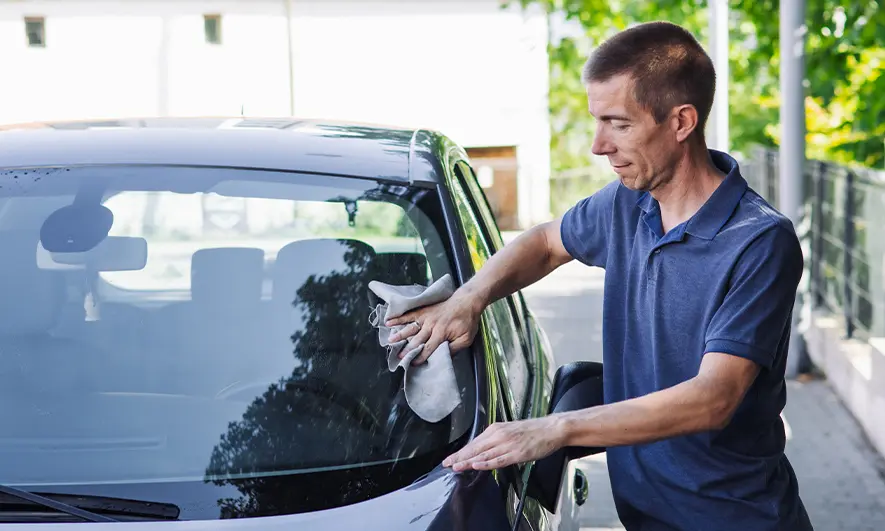
Routine Cleaning
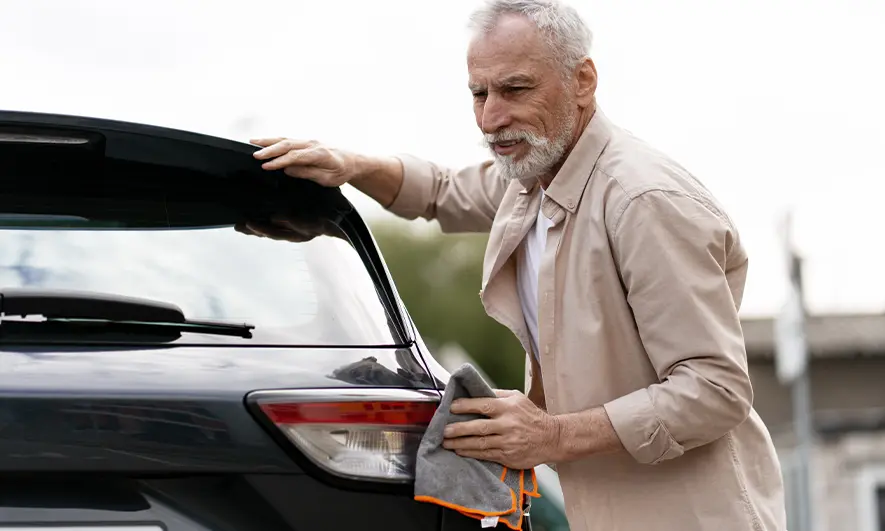
- Use ammonia-free glass cleaner and microfiber cloths.
- Never use abrasive scrubbers. They create micro scratches that worsen glare.
Keep Learning: Get car detailing DIY tips for an enjoyable ride from the inside out.
Smart Driving Habits
- Keep extra distance behind large trucks or vehicles carrying loose materials.
- Slow down on gravel roads to prevent debris kick‑up.
Temperature Awareness
- Avoid blasting hot air on a cold windshield. Rapid temperature changes can form stress cracks.
- Crack your windows in extreme heat to reduce glass pressure.
Check Wipers Regularly
Replace worn blades every 6–12 months. Dirt trapped beneath wipers can leave permanent scratches.
To Tint or Not To Tint?
Thinking about car window tints? It can be stylish, functional and even help strengthen your car’s glass, but it’s not without tradeoffs, and state tint laws vary widely. Before tinting, be sure to check your state’s regulations.
| Pros of Tinted Car Windows | Cons of Tinted Car Windows |
| Reduces glare | Too dark of tint may reduce night visibility |
| Helps keep your cabin cooler | Some states regulate tint percentages very strictly |
| Adds privacy | Improper tinting may affect resale value |
| Protects interiors from fading | DIY tinting can bubble, peel, or discolor |
| Can add shatter resistance | Illegal tints can lead to expensive tickets |
Not ready to commit? Removable window shades offer heat and glare reduction without permanent installation.
Clear Glass, Safer Travels
Keeping your windshield, mirrors and windows in top shape is one of the simplest and most impactful ways to protect both your safety and your car’s longevity. With a little maintenance, quick action on small damage and thoughtful decisions about repairs or enhancements like tinting, you can stay ahead of costly issues before they spread. By staying informed—and taking advantage of helpful resources like The Hartford’s glass coverage—you’ll enjoy clearer views, safer drives and more peace of mind on the road ahead.