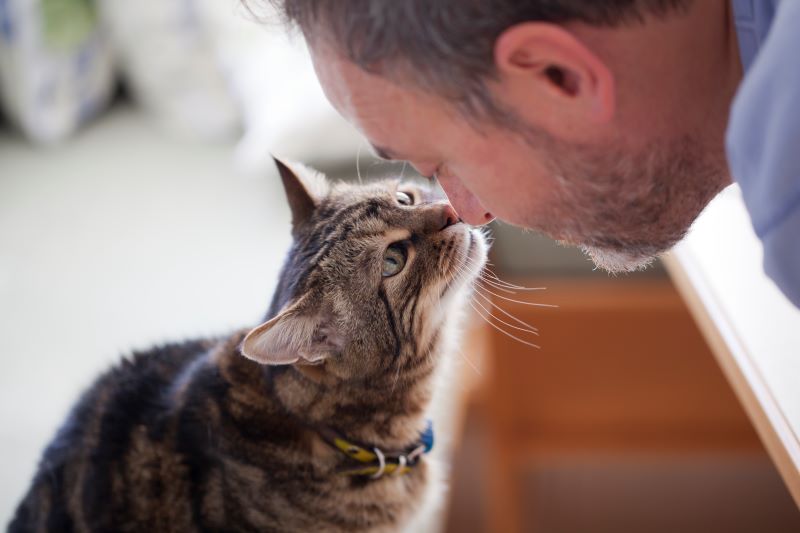



It’s well known that having a dog can inspire you to take walks and socialize more. But the health benefits of pets aren’t limited to dogs or cats; they also extend to include more unusual pets.
As you get older, you may want to consider a pet that fits in with your changing lifestyle. That may mean branching out to pets you hadn’t considered in the past.
Keep reading to learn the top health benefits of pets, plus suggestions for a few less-common pets that you may not have considered adding to your household… yet.
Pets: A Plus for Your Health
More than 94 million households have at least one pet, and these animal companions can provide an array of health benefits. Here are some of the ways a furry, feathered or scaly companion may help keep you healthy and even extend your life.
- Having a pet may boost your heart health. Pets can offer not only love but actual heart-health benefits. Having a pet can reduce the risk of death from heart-related causes and lower the odds of a cardiac event in people with cardiovascular disease, according to research from the National Library of Medicine. Studies also show that interacting with pets may lower blood pressure in people with hypertension.
- An animal companion can provide a daily dose of calm. Everyday life can get stressful, and anything you can do to reduce stress is good for your health. One study on pets and stress reduction found that just 10 minutes of petting shelter animals significantly reduced the levels of the stress hormone cortisol in students who were taking an exam.
- Spending time with a pet can ease loneliness. The loneliness epidemic has been tied to a range of health problems including depression, dementia and heart disease. One study on pets and loneliness found that older adults with pets were 36% less likely to tell their doctors they were lonely. Having a pet may create a sense of purpose and lead to increased interaction with others, whether it’s through visits to a pet store or veterinarian’s office.
- A pet can boost your brain power. Keeping your brain in shape can be a big concern as you age. In fact, one in 10 adults over age 45 reports dealing with memory loss. But a study on pet ownership and aging found that having a pet or just spending time with one was linked to better cognitive function and memory in older adults.
Of course, these health benefits alone aren’t a reason to run out and get a new pet. But if you’re so inclined, they’re definitely a bonus.
Uncommon Pets To Add to Your Life
Wondering if a different kind of pet might be right for the next phase of your life? There are plenty of factors to consider when choosing a new pet, from daily care needs to up-front and ongoing costs. Here are some less-common pets you may want to consider and a few fast facts to help you decide if the pet might be a good fit for you.

Guinea Pig
Guinea pigs make great pets because they’re friendly, easy to handle and relatively low maintenance. Guinea pigs enjoy eating fresh vegetables, and they make a high-pitched squeaking noise when they get excited (for example, if they hear you coming with lettuce). Guinea pigs move slowly and aren’t as likely to get lost in the house as, say, a hamster. These highly social “herd animals” do best in pairs of either two females or a male and a female, with at least one of the pair being spayed or neutered.
| Lifespan | Four years on average, according to a recent study |
| Care requirements | Low to medium |
| Cost | $$ |
| Best if you | Thrive on interacting with a cuddly, social pet, and don’t mind a shorter lifespan |
Freshwater Fish
Freshwater fish are generally easier and less expensive to care for than saltwater fish. But easy does not equal boring: Many types of freshwater fish are eye-catching, with bright colors and shimmery stripes. Good freshwater fish for beginners include standard goldfish, bettas, neon tetras and zebrafish.
| Lifespan | Varies by species, from two years for bettas to 20+ years for goldfish |
| Care requirements | Low to medium |
| Cost | $ |
| Best if you | Prefer to watch your pets from a distance to soak up the stress-relieving benefits |
Bearded Dragon
Bearded dragons are oddly adorable, with a reptile-meets-Yoda look. They have blinking eyes, a serene expression and a spiky collar around the neck. They’re also known for their chill nature. They don’t mind being handled, they tend to do well with kids and they may even perch on your shoulder. Keep in mind that bearded dragons require a special setup including a tank with proper humidity, lights on a timer and gradient heating that includes a cooler side and a warmer side. They also need plenty of places to hide and bask.
| Lifespan | Seven to 15 years |
| Care requirements | Medium to high |
| Cost | $$$ |
| Best if you | Love having a pet that raises eyebrows and don’t mind feeding it live insects |
Canary
Canaries are a type of finch that are fairly low maintenance and easy to keep compared to many other birds. They’re also known for their sweet singing and come in cheerful colors, including yellow, orange and red. Unlike some other birds that can be a bit of a handful (parrots, we’re looking at you), canaries don’t crave human interaction or require training. But canaries do need a large flight cage known as an aviary, which must be cleaned daily, and toys to keep them happy and engaged.
| Lifespan | Five to 15 years |
| Care requirements | Low to medium |
| Cost | $ |
| Best if you | Enjoy birds but prefer a hands-off approach, watching (and listening) from across the room |
Praying Mantis
These captivating insects have an almost otherworldly quality about them. They have cartoonishly large eyes and tend to hold their front legs together as if they’re praying (which is how they got the name). There are various species available, and they typically need to be purchased online. A praying mantis is pretty easy (and cheap) to care for. They require a small tank kept at the proper temperature, misting for adequate humidity and a diet of live insects such as fruit flies, bottle flies and house flies.
| Lifespan | Up to 1 year |
| Care requirements | Low |
| Cost | $ |
| Best if you | Find insects fascinating, are OK with a short lifespan and have limited space for a pet |
Ferret
Ferrets make great pets for the right person. Mischievous, playful and slinky, they’re extremely curious and known escape artists. Ferrets can be trained to do tricks, but they need quite a bit of exercise — about two to four hours a day outside of their cage. During that time, it’s important to either watch your ferret closely or make sure they’re in a secured area where they can’t cause any damage (ferrets love to chew). Fun fact: Ferrets also can be trained to use a litter box, just like a cat.
| Lifespan | Five to 10 years |
| Care requirements | Medium |
| Cost | $$ |
| Best if you | Want a lively, interactive pet that will really keep you on your toes — and don’t mind putting in some work |
A Note on Animal Shelters and Rescues
Going to the shelter isn’t just for cats and dogs. Animal shelters are dealing with an influx of small animals, including guinea pigs, rabbits, ferrets and hedgehogs. There are also reputable animal rescues that offer adoptions for just about every type of animal, including reptiles, birds and even fish.
When you rescue your next pet, you do a good deed, save money, support a local nonprofit and have a chance to learn detailed information about the pet you’re taking home. Animal rescues typically require you to fill out an application, pay an adoption fee and possibly pass a home check or do a meet-and-greet with the pet.
Happy Tails: Life With Your New Pet
Does one of these pets spark your interest? Now’s the time to do some research and make sure the pet you’re considering is a good fit for your lifestyle. Getting a pet is a commitment, but one that can bring plenty of health benefits and happiness to your life.