


That old saying that it takes a spark to start a fire isn’t always true. Unlike fires ignited by a match or an ember from a fire pit, spontaneous combustion fires start on their own.
Spontaneous combustion happens when common household items generate enough heat to burst into flames with no outside ignition source. Items that may spontaneously combust include organic matter, rags soaked with oil-based chemicals and flammable liquids.
An average of 1,700 house fires start by spontaneous combustion every year, and around 900 of these fires involve oily rags, according to the National Fire Protection Association (NFPA).
Stay safe by learning how spontaneous combustion fires begin and the simple steps you can take to prevent them in your home.
Key Takeaways
- Spontaneous combustion is a common but lesser-known home fire risk.
- Any household can be at risk for spontaneous combustion. Common causes include piles of organic materials, flammable liquids and piles of rags soaked with oil-based substances.
- Following safety tips can greatly reduce the risk of a spontaneous combustion fire in your home.
Spontaneous Combustion: A Real Risk
Most savvy homeowners know to use flameless candles for ambience and to get sketchy wiring checked by an electrician. But they may not be aware of the risk of spontaneous combustion in their kitchens, garages or storage sheds.
Here are a few fire disasters we pulled-from-the-headlines caused by spontaneous combustion that have done real (and costly) damage to homes:
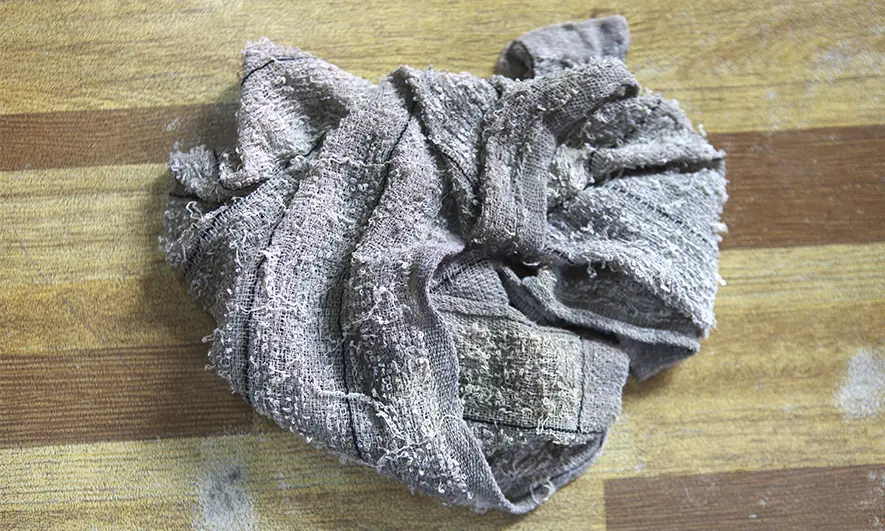
- A two-alarm fire in a Virginia home that started in a pile of stain-soaked rags near sawdust. It then spread to two other townhomes and caused over $1 million in damage.
- A Colorado fire that began in a backyard compost pile and ignited a wood fence near the home.
- A fire in Maryland that started when a container of food scraps spontaneously burst into flames in the kitchen, causing $6,000 in damage and displacing a family.
Spontaneous combustion can take any unprepared household by surprise and poses a very real risk.
Common Combustion Hazards
Learn about common spontaneous combustion hazards found in many households and the ways they can quickly spark a fire.
| Household Hazard | Why It’s a Fire Risk |
| Rags soaked with oily substances (e.g., linseed oil, stain, varnish) | As oil-based substances dry, they release heat. In a pile of rags, that heat can get trapped, build up and start a fire. This is especially dangerous if rags are sitting near combustible materials, like cardboard or mulch. |
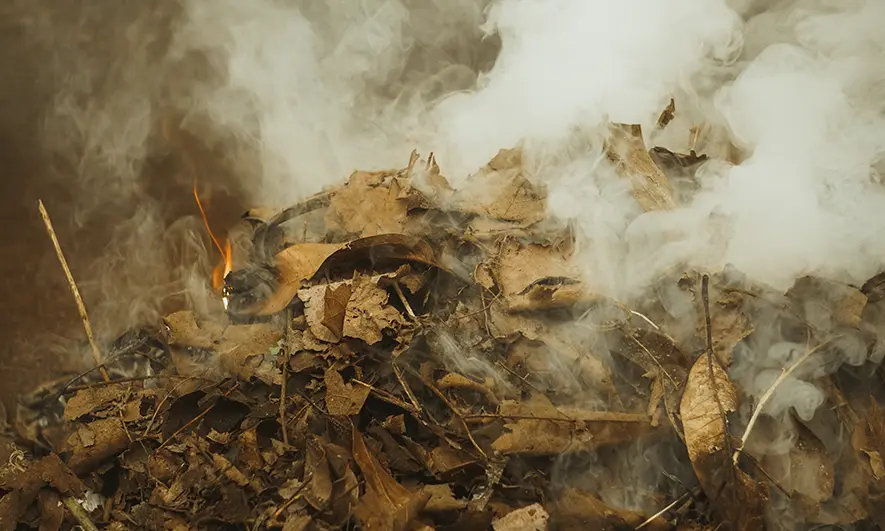
| Organic material (e.g., hay, compost, leaves) | As piles of organic matter decompose, the microbes involved in the process generate heat in the center of the pile, creating volatile gases that can ignite. |
| Flammable liquids (e.g., gasoline, kerosine, paint thinner, nail polish remover) | Some liquids release vapors that can generate enough heat to spark a fire, but you can avoid vapor buildup by following safe use and storage guidelines. |
How To Avoid Combustion Fires
Once you know the risks, it’s easy to check your home for hazards and take steps to prevent fires. Follow these safety tips to reduce your risk of different types of spontaneous combustion:
Oily Rags or Clothing
- Never put oily rags in a pile to dry. Instead, take them outside and either hang them up or spread them out on a non-flammable surface to dry individually. Secure the rags as they dry and keep them away from anything flammable, the NFPA advises.
- Break down the oil. Once oily rags are dry, put them in a covered metal container filled with water and detergent to break down the oils. Keep the container in a cool, dark place.
- Get rid of used rags properly. Have a container full of water and oily rags? Check with your city or county to find out how to properly dispose of hazardous waste in your area.
Brush, Compost and Mulch
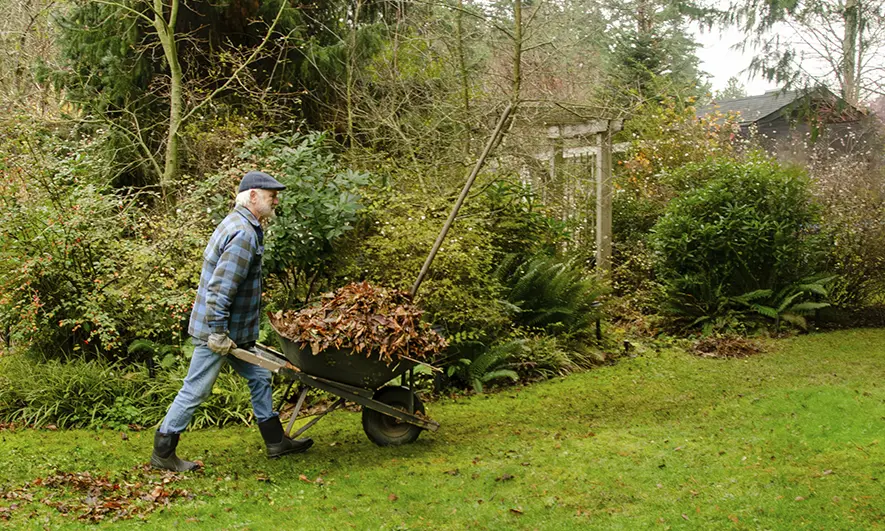
- Keep your yard clear of brush and debris piles. Use a rake to break up piles of organic matter such as leaves, mulch or yard debris that can generate heat. Pile up brush right before you plan to get rid of it and follow the process in your city or county for disposing of yard waste.
- Store compost the right way. Do you keep a compost pile for your garden? Make sure to keep your compost outside and away from your house. Use a probe to check the internal temperature regularly. If the pile heats up to 150 degrees Fahrenheit, lower the temperature by turning the pile and adding water.
- Watch what you plant. All plants can be a fire hazard if your yard isn’t properly maintained. But some plants (such as those with needles) are more flammable than others. When deciding what to plant, consider plants native to your area with waxy leaves and a high-water content.
Flammable Liquids
- Store gasoline properly. Keep gasoline only in a tightly closed approved container. Make sure to store gasoline in a cool area with proper ventilation. Never bring gas inside the home (including in a basement or attached garage).
- Don’t pour liquids into new container. Keep all flammable liquid in its original tightly closed container.
- Deal with spills promptly. If you spill a little flammable liquid on your clothing or another cloth item, take the item outside to dry. Wash the clothing as you normally would only after it’s dry, the NFPA recommends.
What To Do If Fire Breaks Out
If something in your home bursts into flames, don’t panic—but take quick action.
Don’t try to grab any belongings. Get out of the home as quickly as possible, dropping to the floor and crawling to an exit to stay away from heat and toxic gases that rise to the ceiling. If you can’t escape, get behind a closed door and use towels, cloth or tape on cracks or openings to keep smoke out. Call 911 right away so emergency responders and firefighters can help you and anyone else in the house get to safety.
Tip: Ready.gov offers a fire fact sheet with advice on what to do during a fire.
After the fire, contact your insurance company and use resources like the Red Cross to help guide you toward next steps.